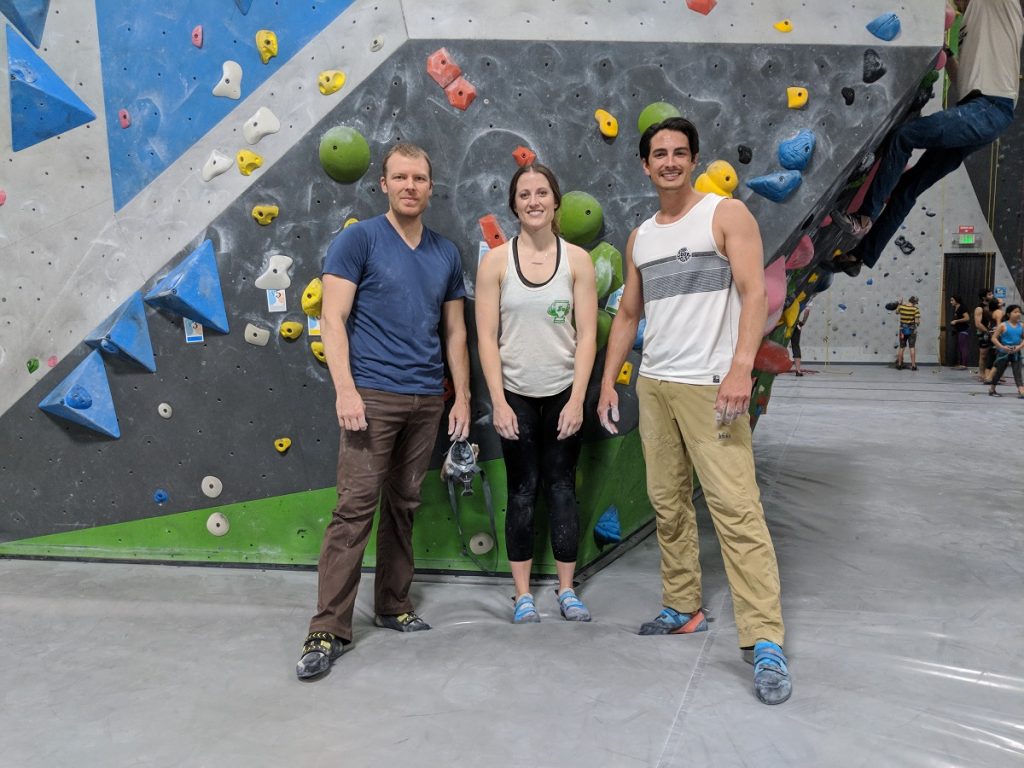
First things first, what is bouldering?
Bouldering is a dynamic form of rock climbing where climbers ascend short, challenging routes, known as “problems,” without the use of ropes or harnesses. It focuses on building strength, honing technique, and sharpening problem-solving skills. Typically practiced on boulders or artificial climbing walls, climbers use crash pads to cushion falls. Bouldering offers a rewarding physical and mental workout, providing an exhilarating challenge for climbers of all skill levels.

Why should you practice it?
Benefits of bouldering include:
- Strengthens muscles: Bouldering engages various muscle groups, promoting overall strength development in the arms, back, core, and legs.
- Improves flexibility: Climbing requires flexibility to reach holds and move efficiently, leading to improved range of motion over time.
- Enhances problem-solving skills: Negotiating challenging routes improves cognitive abilities, enhancing problem-solving skills and spatial awareness.
- Increases cardiovascular fitness: Bouldering provides a cardiovascular workout, boosting heart health and endurance.
- Builds confidence: Overcoming challenging climbs fosters a sense of achievement and confidence.
- Promotes social interaction: Bouldering is often done in a community setting, fostering friendships and support networks.
- Provides mental relaxation: Focusing on the climbing route can help reduce stress and promote mindfulness.
- Offers versatility: Bouldering can be enjoyed indoors or outdoors, providing a flexible and accessible form of exercise.
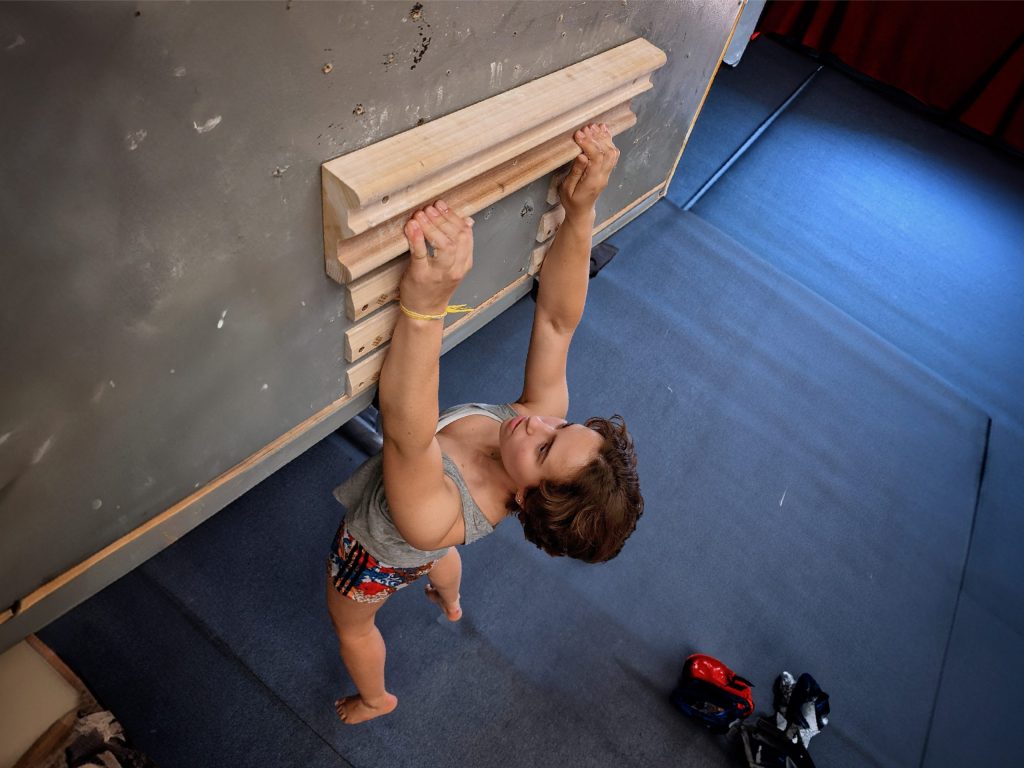
What to wear for your first time bouldering?
For your first time bouldering, wear comfortable, stretchy clothing that allows for freedom of movement. Consider: Flexible, breathable bottoms that allow unrestricted movement. A comfortable, fitted shirt that helps keep you dry during climbs. Avoid loose or baggy clothing that can get caught on holds or restrict movement.
As you gain experience, you can refine your gear choices based on personal preference and climbing style. On your initial visit, climbing gyms typically offer rental climbing shoes. Should you develop an affinity for the sport, investing in a personal pair might be worthwhile!